


Ground preparation for roads, yards and concrete slabs
We prepare subgrades for road slabs, concrete roads and yards, paving stones and other hard surfaces. The scope is selected to suit the existing ground and expected loads – from topsoil removal and excavation through grading and aggregate sub-base construction to compaction and preparation for the final surface.
Ground preparation starts with the actual site conditions
There is no single correct sub-base for every project. A yard for heavy transport requires a different approach from an internal road, parking area or surface under precast slabs. The first step is therefore to establish the intended use, expected traffic, levels, drainage conditions and the condition of the existing ground.
The objective is simple: create a stable, level and properly profiled base for the final surface, while avoiding unnecessary work where the ground already provides suitable conditions.
What can ground preparation include?
The exact scope is selected for the project and may include:
- topsoil removal and excavation – removing unsuitable layers and forming the required formation level,
- levelling and grading – establishing the geometry and levels of the road, yard or working area,
- falls and drainage preparation – shaping the site so that water does not remain on the surface,
- separation layers – geotextile or other separation where required by the design and ground conditions,
- aggregate sub-base – construction in appropriate layers and gradings,
- mechanical compaction – achieving a stable base for the planned surface.
For concrete road slabs, see also our reinforced concrete slabs and JOMB slabs.

When is soil stabilisation with binders required?
Binder stabilisation is not a standard stage of every ground preparation project. Where the native soil and proposed sub-base are sufficient, there is no reason to add chemical stabilisation by default.
Where weak, moisture-sensitive or otherwise unsuitable soil needs its properties improved, a separate soil stabilisation with binders technology may be considered. The choice of method should follow the actual ground conditions and technical requirements.
This distinction is important: ground preparation is the broader earthworks and sub-base process, while soil stabilisation is one specific strengthening method used only when justified.

Ground preparation – step by step
| Stage | What we do | Purpose |
|---|---|---|
| 1. Site assessment | We establish intended use, expected loads, levels and ground conditions. | Select the appropriate scope. |
| 2. Formation and grading | We remove unsuitable material, excavate where required and shape the formation. | Obtain the correct geometry and levels. |
| 3. Drainage and separation | We form falls and introduce separation layers where necessary. | Protect the structure and manage water. |
| 4. Sub-base construction | We place appropriately selected aggregate layers. | Create the load-distributing structure. |
| 5. Compaction and final profiling | We compact and finish the sub-base to the required levels. | Prepare the surface for slabs, concrete or paving. |
Preparation for MON and JOMB concrete slabs
The base for precast concrete slabs should be even, stable and prepared for the actual traffic and loads. The required sub-base depends on the ground, slab type, intended use and the duration of service.
Where the ground is weak, the answer is not automatically “more aggregate”. Depending on the conditions, separation, replacement of unsuitable soil or soil stabilisation may be appropriate.
Preparation for roads, yards and paving
For permanent surfaces, accurate levels, falls, drainage and uniform compaction are particularly important. We prepare ground for road and yard surfaces as well as paving. See also our paving stone installation service.
The sub-base should be designed for the planned use – passenger vehicles, heavy goods vehicles and industrial equipment impose very different requirements on the structure.
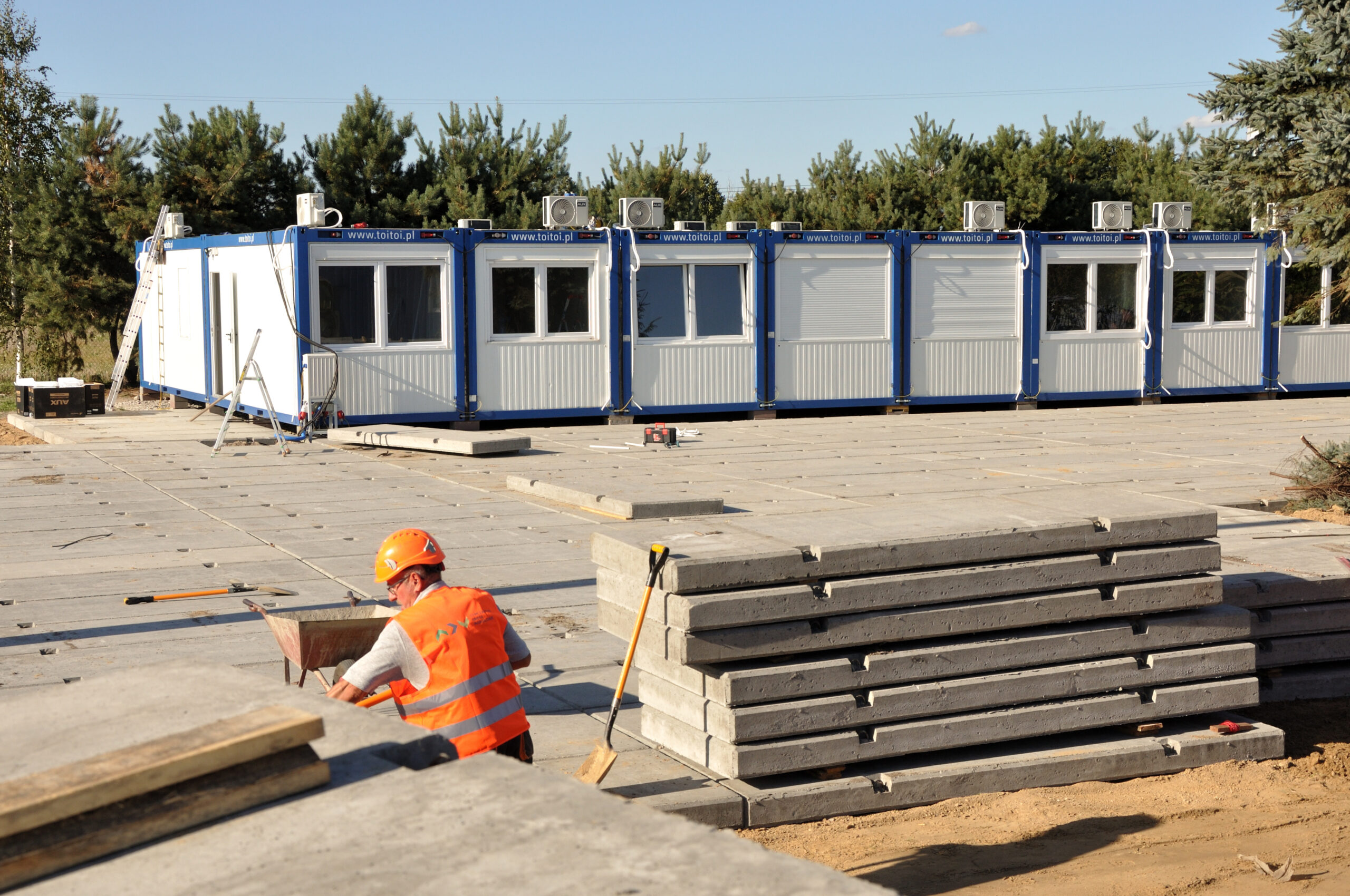
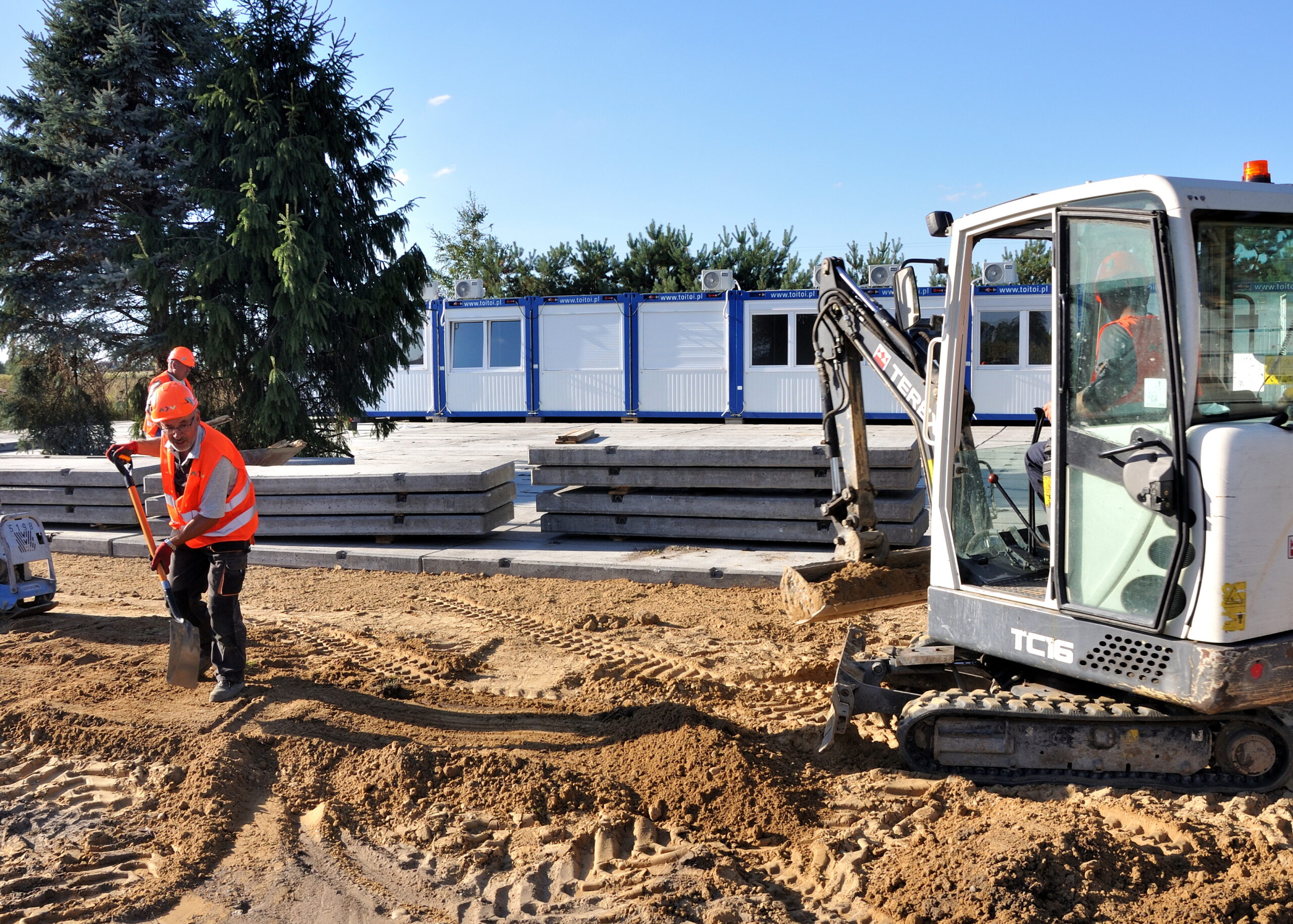
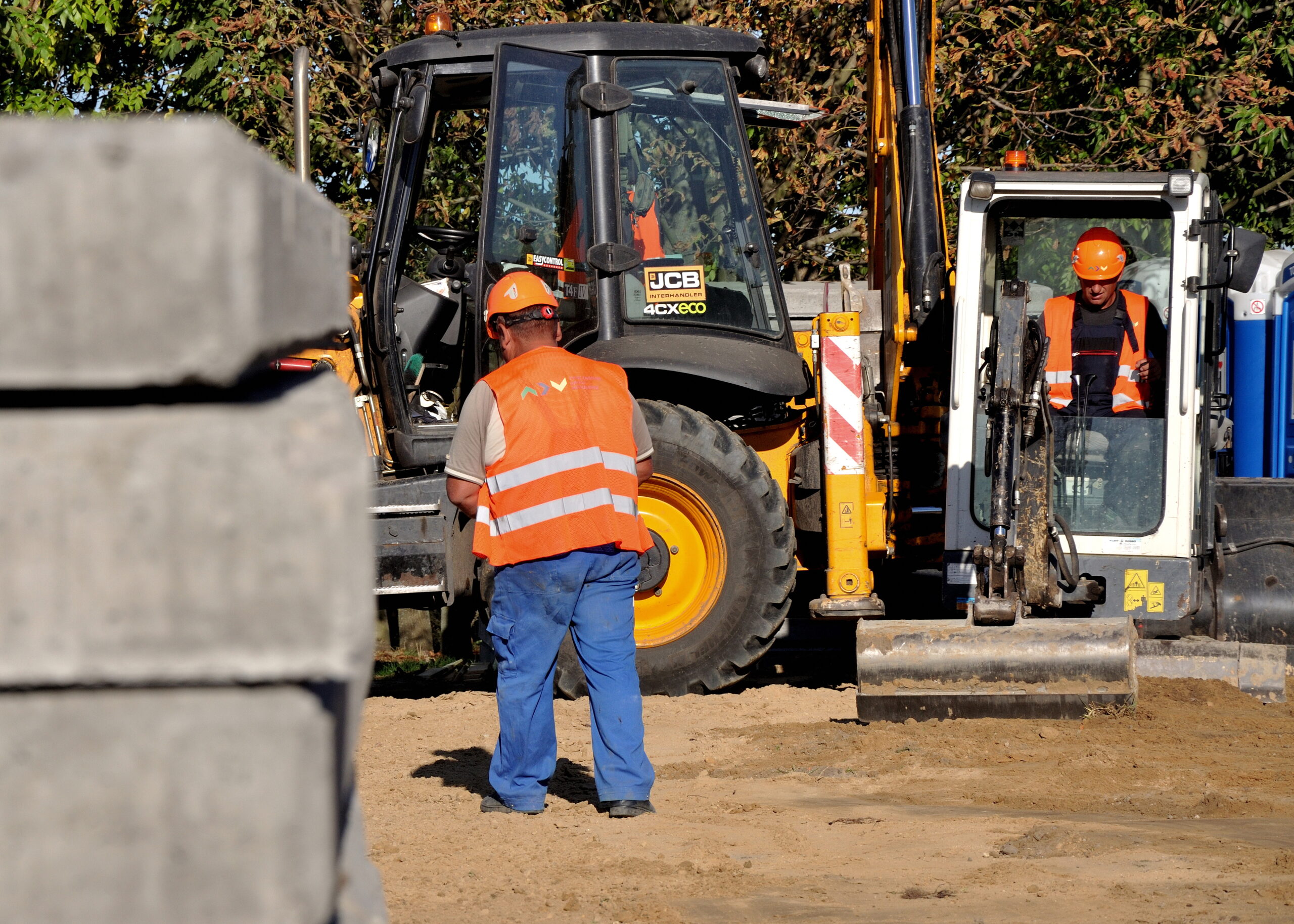
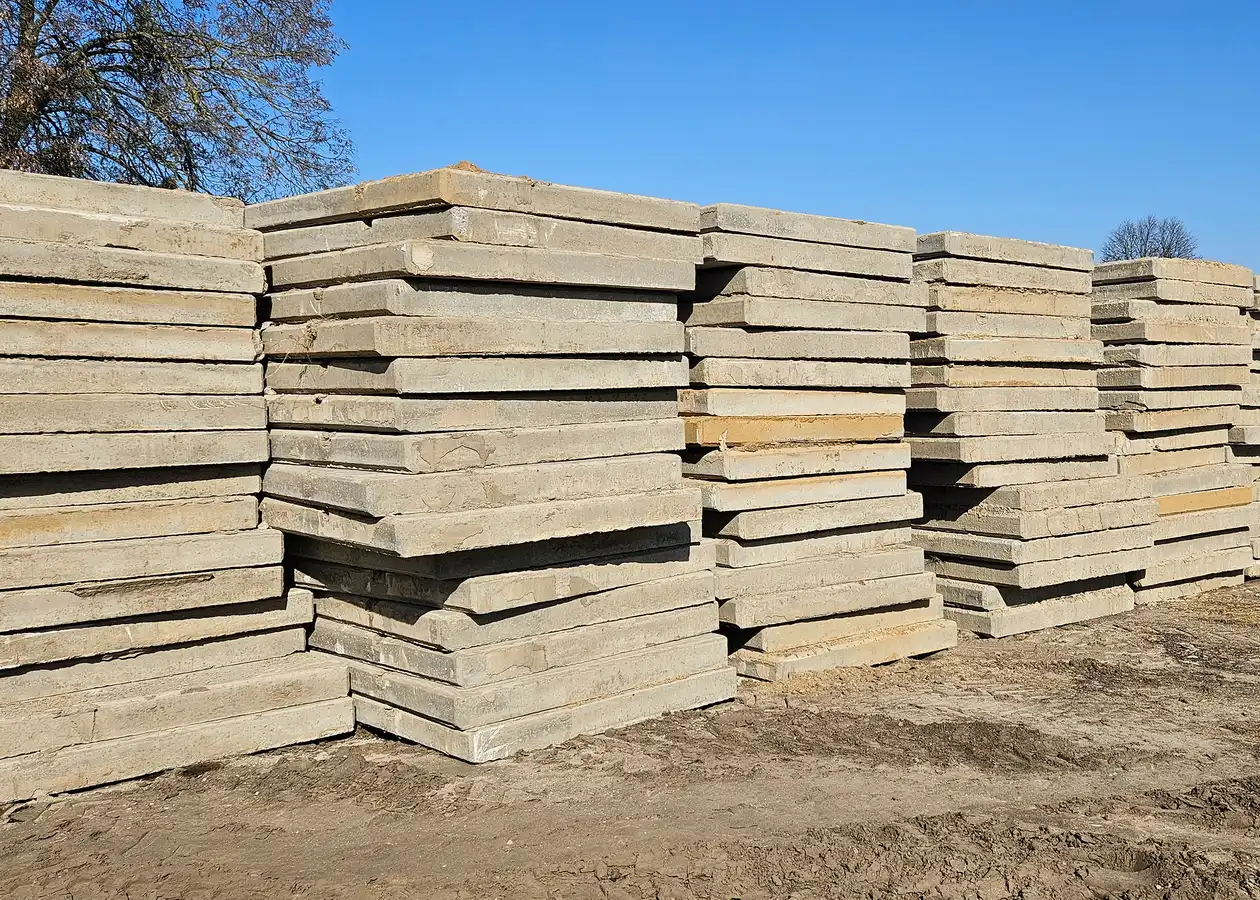
Ground preparation in real projects
Earthworks and sub-base construction form part of many of our concrete slab, road and yard projects. The final scope depends on the existing ground and the target surface.
See completed projects to understand how the ground, sub-base, slabs and installation work together as one system.
How much does ground preparation cost?
The price depends primarily on the scope of earthworks and materials, not just on the surface area. Important factors include:
- area and excavation depth,
- volume of unsuitable soil to remove,
- quantity and grading of aggregate,
- existing ground conditions,
- site access and machinery logistics,
- drainage and level requirements,
- possible need for geotextile, soil replacement or stabilisation.
What should you send for a quotation?
Location, approximate dimensions or area, the planned surface, type and intensity of traffic, required date, site photos and – if available – drawings, levels or geotechnical information.
FAQ – ground preparation for roads and hardstanding
What does ground preparation include?
Depending on the project, the scope may include topsoil removal, excavation, grading, falls, separation layers, aggregate sub-base construction and mechanical compaction.
Is soil stabilisation with binders always required?
No. Binder stabilisation is a separate technology used where ground conditions or project requirements justify improving the properties of the native soil. Many projects can be completed with conventional earthworks and a properly designed aggregate sub-base.
How should ground be prepared for concrete road slabs?
The subgrade should be level, stable and adequately compacted. The type and thickness of the sub-base should be selected for the existing ground, slab type and expected loads.
Can you construct the aggregate sub-base?
Yes. Ground preparation can include construction of an aggregate sub-base. The grading, thickness and number of layers are selected to suit the ground, loading and final surface.
Does ground preparation include drainage?
Where required, the works can include formation of suitable falls and preparation for drainage solutions. The exact drainage scope depends on the site and design.
How much does ground preparation cost?
The cost depends on the area and depth of earthworks, soil removal, aggregate quantity, ground conditions, site access, drainage requirements and any need for separation, replacement or stabilisation.
What information is needed for a quotation?
The most useful information is the project location, approximate area or dimensions, planned final surface, traffic type, required date, site photos and any available drawings, levels or geotechnical data.
Do you carry out ground preparation throughout Poland?
Yes. We carry out projects in different regions of Poland. Scope and logistics are agreed individually based on the location, area and project requirements.
What surfaces can you prepare ground for?
We prepare ground for reinforced concrete slabs, JOMB slabs, concrete roads and yards, paving stones, parking areas, internal roads and other hard surfaces.